Blue whale
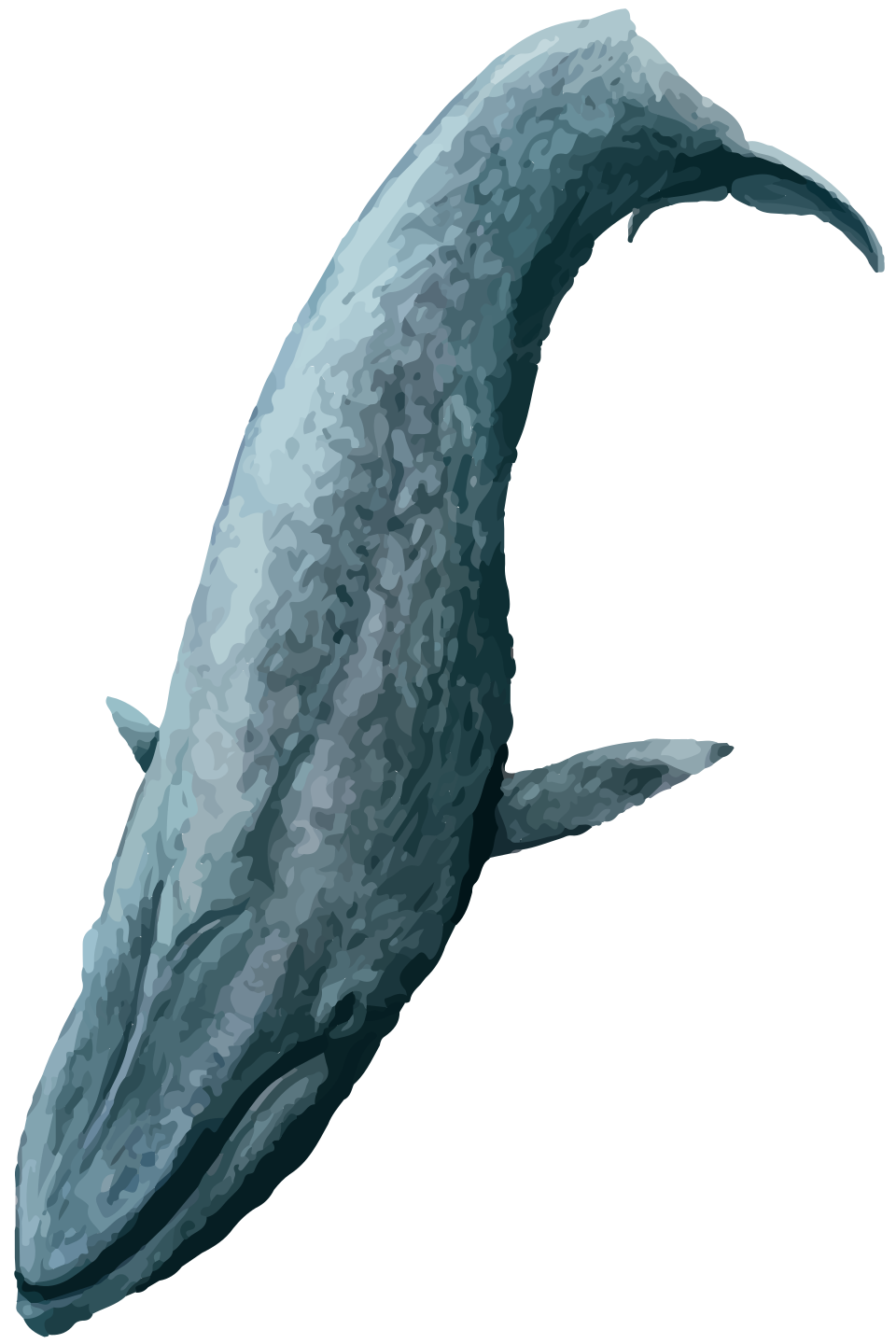

The Blue whale (Balaenoptera musculus) is a carnivorous mammal native to North America, South America, Europe, Asia, Africa, Oceania and Antarctica.
The blue whale is a species of baleen whale and the largest marine mammal in the rorqual family Balaenopteridae. Reaching a maximum confirmed length of 29.9–30.5 m (98–100 ft) and weighing up to 190–200 t, it is the largest animal known to have ever existed. — Wikipedia
- Scientific name
- Balaenoptera musculus
- Class
- Mammal Source
- Family / order
- Balaenopteridae
- Diet
- Carnivore Source
- Habitat
- Marine Source
- Found in
- North America, South America, Europe, Asia, Africa, Oceania, Antarctica Source
- Weight
- 154.3 tonnes Source
- Length
- 30.5 m
- Maximum lifespan
- 110 years Source
- Conservation status
- Endangered Source
Why this profile changed · 2026-11-25
What does a Blue whale eat?
The blue whale is a carnivore, feeding on other animals.
How big is a Blue whale?
The blue whale weighs around 154.3 tonnes and measures about 30.5 m.
How long do Blue whales live?
Sources report a maximum lifespan of about 110 years for the blue whale.
Where do Blue whales live?
Blue whales are found in North America, South America, Europe, Asia, Africa, Oceania and Antarctica, in marine habitats.
Is the blue whale endangered?
The blue whale is currently listed as “Endangered” on the IUCN Red List.